Press Release
Organisation:
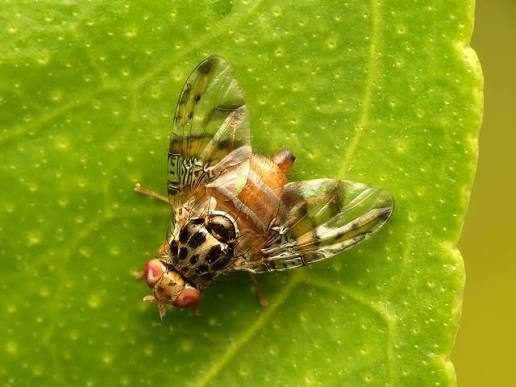
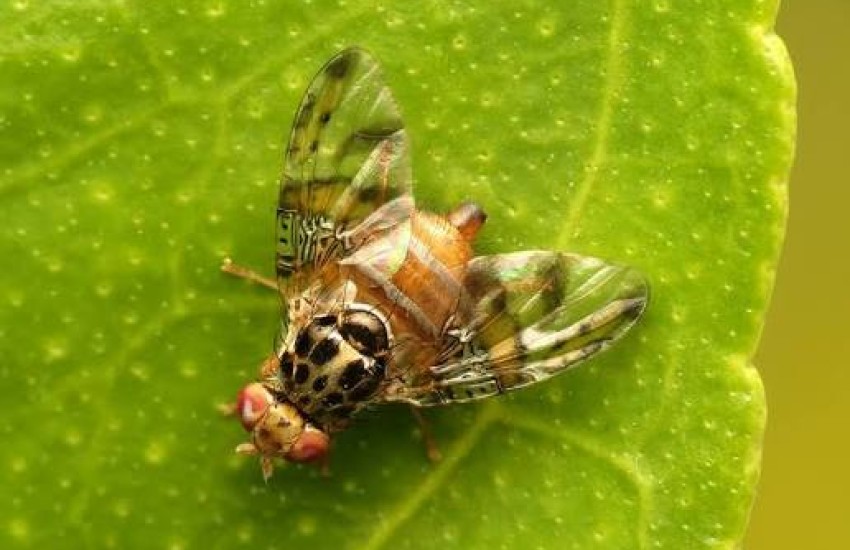
The Department of Agriculture and Fisheries is calling on residents, travellers and importers to help prevent the introduction of the Mediterranean fruit fly (Ceratitis capitata), commonly known as the Medfly in The Virgin Islands.
The pest has been detected and quarantine measures were imposed in neighbouring St Croix and Puerto Rico.
On 25 September 2026, the United States Virgin Islands Department of Agriculture declared a phytosanitary emergency and placed the entire island of St Croix under quarantine after detecting male and female Medflies at multiple locations. Under the quarantine, fresh fruits, fresh vegetables, and Medfly host plants must not leave the island.
In Puerto Rico, the Department of Agriculture and the United States Department of Agriculture have established a Medfly quarantine area of approximately 27 square miles in and around Old San Juan, within the Municipality of San Juan. That quarantine applies to the designated area only and not to the whole of Puerto Rico.
The local Department of Agriculture and Fisheries is taking precautionary action and is coordinating with the Customs Department and other relevant authorities to reduce the risk of the pest entering the Territory and to protect the Virgin Islands’ agricultural resources.
Director of Agriculture and Fisheries, Mr Theodore James said, “The Medfly is one of the most destructive fruit pests in the world, and it is now on our doorstep. Our farmers, our backyard growers and our food security efforts all depend on keeping it out. A single piece of infested fruit carried in a bag or a boat can be enough to introduce it into the Territory. We are asking everyone to declare agricultural products, respect the restrictions in place and report anything suspicious to the department.”
A Serious Threat to Local Crops
The Medfly attacks a wide range of fruits and vegetables. Susceptible produce includes mangoes, guavas, citrus, papayas, avocados, soursop, sugar apples, carambola, peppers and tomatoes, all of which are important to regional agriculture, local food production and household gardens.
Female flies lay their eggs inside host produce. Once hatched, the larvae (maggots) feed within the flesh, causing decay, premature fruit drop and damage that can make produce unfit for sale or consumption. Because the early stages develop inside the fruit, an infestation may not be visible on casual inspection. Moving infested fruits and vegetables is one of the main ways the pest spreads.
If the Medfly becomes established in the Virgin Islands, it could cause substantial crop losses, reduce the availability and quality of locally grown produce, raise production costs, and lower farmers’ incomes. It could also create additional barriers to agricultural trade and undermine the Territory’s efforts to strengthen local production and food security.
How the Public Can Help
• Declare all agricultural products on arrival. Declare fruits, vegetables, plants, planting material, and other agricultural products to Customs and agricultural officers. This includes items carried in luggage, transported on private vessels, received in parcels, or brought as gifts or for personal use. Declaration allows officers to determine whether products meet entry requirements.
• Do not bring produce or host plants from St Croix. Travellers should not bring fresh fruits, vegetables, or host plants from St Croix, as this violates its quarantine.
• Check before buying or shipping from St Croix or Puerto Rico. Anyone purchasing or shipping agricultural products from either location should first seek guidance from the Department on the products’ origin, applicable restrictions and entry requirements. Produce bought outside a quarantine area may still have originated within one; the place of purchase alone does not establish origin.
• Importers and vendors: confirm requirements in advance. Commercial importers, vendors and other businesses should confirm the applicable requirements before arranging shipments. Products must comply with all required permits, phytosanitary certification, inspection conditions and restrictions. A phytosanitary certificate does not override an applicable import prohibition.
• Farmers and gardeners must watch and report. Remain alert for unusual fruit rot, premature fruit drop, or maggots inside produce. These signs can have several causes and do not, on their own, confirm a Medfly infestation, but farmers should report suspected cases promptly to the department for assessment. Do not move or give away suspect produce; contact the department for advice on safe handling.
Continued Monitoring
The Department of Agriculture and Fisheries will continue to monitor the situation in the region and will issue further guidance as necessary. Residents, visitors and businesses are encouraged to rely on official sources for information and to cooperate fully with officers responsible for agricultural protection.
Protecting our agriculture is a shared responsibility. Declare agricultural products, observe restrictions, and report suspected pest activity.
The Mediterranean fruit fly is a regulated quarantine pest that infests more than 250 species of fruits and vegetables. It is not known to be established in the Virgin Islands.
Members of the public seeking agricultural import guidance, or wishing to report suspected pest activity, should contact the Department using the details below.
Department of Agriculture and Fisheries
Government of the Virgin Islands
Telephone: (284) 468-6123
Email: plantprotection@gov.vg
For Additional Information Contact:
Gallery