Statement
Organisation:
As we observe Domestic Violence Awareness Month 2026, I stand with every person who has experienced domestic violence and reaffirm the Government’s commitment to ensuring that those affected can find protection and support.
Domestic Violence affects individuals, children, families and entire communities. It may take many forms, including physical, emotional, psychological, sexual and financial abuse. Regardless of the form it takes, no one should have to live in fear in their own home or relationship, and no one experiencing abuse should feel that they must face it alone.
This year’s observance also gives us an opportunity to look honestly at where we are as a Territory.
The figures provided by the Royal Virgin Islands Police Force demonstrate why domestic violence continues to require our sustained attention.
In 2025, Police recorded 398 domestic-related offences, compared with 349 in 2024. This represents an increase of 49 offences, or approximately 14 percent. Of the 458 serious and minor assaults recorded during 2025, 226, approximately 49 percent, were domestic-related.
For January through August 2026, police recorded 266 domestic-related offences, compared with 265 during the same period in 2025. Of the 319 serious and minor assaults recorded during that period in 2026, 146 or 46 percent, were domestic-related.
These figures represent reports made to the police, and we also recognise that not every incident of domestic violence is reported. Behind each incident is a person, a family and circumstances that require an appropriate and compassionate response. The figures also make clear that, despite the work being undertaken, domestic violence remains a serious concern in our Territory.
Our response therefore cannot be limited to awareness. It must combine prevention, protection, intervention, accountability and effective support for survivors.
During 2026, the Ministry of Health and Social Development, through the Office of Gender Affairs, initiated the review of the Domestic Violence Act, 2011. Stakeholder consultations have begun and remain ongoing, examining gaps in the existing legislation and identifying areas requiring reform.
These consultations brought together representatives from law enforcement, the judiciary, social services, education, faith-based organisations and other community partners. The discussions considered matters including protection mechanisms, police powers, evidentiary procedures, definitions and the responsibilities of agencies responding to domestic violence.
This work is important because our laws and systems must continue to respond to changing realities and provide meaningful protection to victims and survivors. The Domestic Violence Protocol also remains an important operational framework for coordinating the response of agencies and service providers.
We are also continuing our work with persons who have used violence.
The Partnership for Peace programme, implemented through the Office of Gender Affairs in collaboration with the Magistracy, completed its 23rd cycle in June of this year. This structured violence intervention programme challenges participants to take responsibility for their behaviour, recognise that violence is a choice, and develop healthier and non-violent ways of managing relationships and conflict.
Accountability is an essential part of prevention. Supporting survivors and holding persons who use violence accountable are not competing objectives. Both are necessary if we are to break cycles of violence within families and across generations.
But legislation and Government programmes alone will not end domestic violence.
Effective prevention also requires us to examine the attitudes and behaviours that allow abuse to continue. We must teach our children about respect, healthy relationships, and appropriate ways of resolving conflict. We must challenge the idea that controlling, threatening or violent behaviour is acceptable. And we must create an environment in which those experiencing abuse feel safe enough to ask for help.
The Ministry of Health and Social Development and the Office of Gender Affairs will continue working with the Royal Virgin Islands Police Force, Social Development Department, Family Support Network (FSN), Women In Need BVI (WINBVI) and other community partners to strengthen prevention, improve coordination and ensure that persons affected by domestic violence are connected to appropriate assistance.
To anyone experiencing domestic violence, I want you to know that help is available.
If you are in immediate danger, contact the Police. You may also reach out to the Social Development Department, Family Support Network, Women in Need BVI (WINBVI), the Office of Gender Affairs or another trusted service provider for guidance and support.
Seeking help is not weakness. Your safety matters. Your dignity matters. You deserve to be treated with respect.
I also appeal to relatives, friends, neighbours, colleagues and members of our wider community. When someone tells you that they are being abused, listen. Take them seriously. Respond without blame or judgement. Where appropriate, help them connect with professional assistance.
Domestic Violence Awareness Month should not simply be an annual observance. It should cause us to examine how we treat one another, how we respond when we see signs of abuse, and what each of us can do to create safer families and communities.
To survivors, we stand with you.
To those who use violence, accountability and change are necessary.
To every member of our community, we all have a role to play.
Let us continue working together to build a Virgin Islands where healthy relationships are encouraged, support is accessible, our systems respond effectively, and every person can live with dignity, safety and freedom from violence.
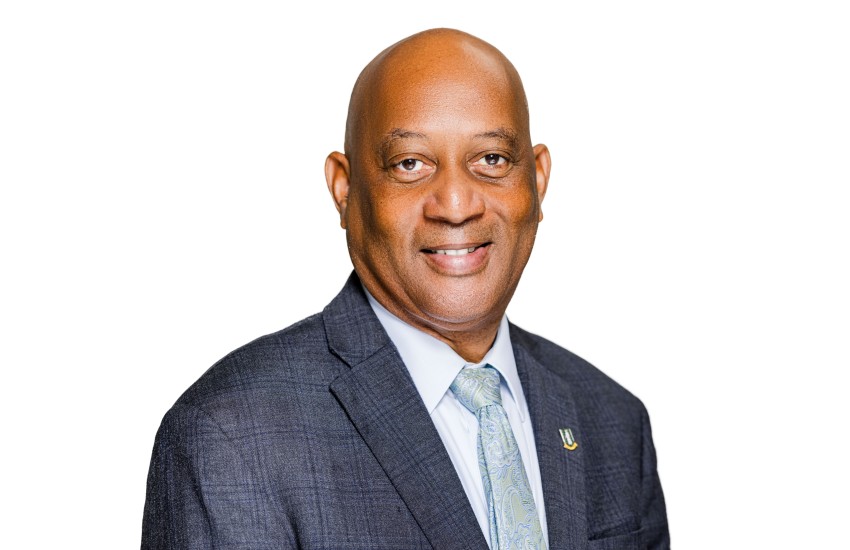
Vincent O. Wheatley
For Additional Information Contact:
Natasha Lettsome-Humphrey
Public Health Communications Specialist
Ministry of Health and Social Development
Telephone: 468-2286
Email: nlettsome@gov.vg
Gallery