Press Release
Organisation:
The Ministry of Health and Social Development is encouraging residents to learn the warning signs of stroke and take immediate action when symptoms appear, as the Territory joins the global observance of World Stroke Day on October 29.
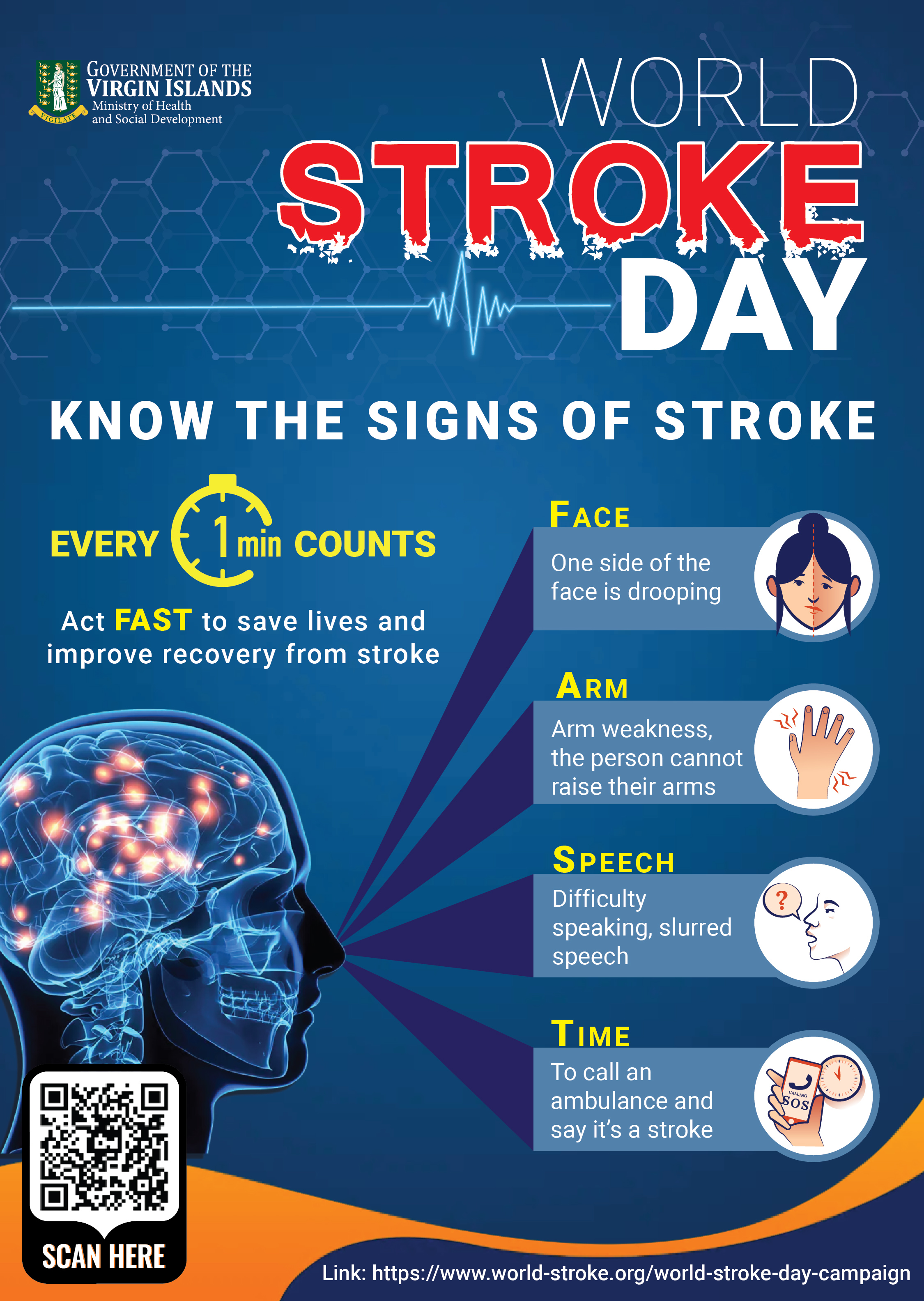
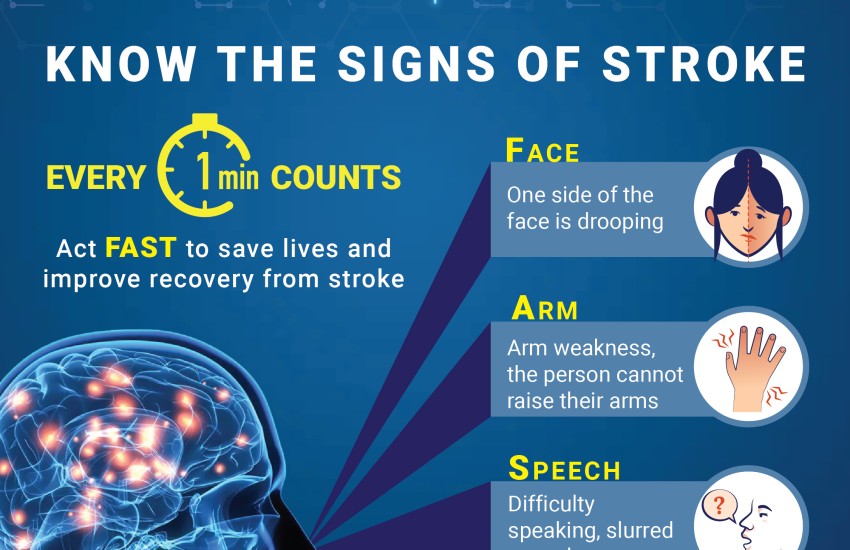
The day is being observed under the theme “Every Minute Counts,” focusing on the importance of recognising the signs of stroke and acting quickly.
Stroke is a medical emergency that occurs when blood flow to the brain is interrupted by either a blockage or bleeding. Rapid treatment can reduce brain damage and improve a person's chances of recovery.
Chief Medical Officer, Dr. Ronald Georges said knowing what to look for can make a significant difference when a stroke occurs.
“Stroke can happen suddenly, and the actions taken in those first few minutes matter. We want residents to recognise the warning signs, take them seriously and seek emergency medical attention immediately. Do not wait to see if the symptoms will go away,” Dr. Georges advised.
Residents are encouraged to act FAST by looking for sudden changes involving the face, arms and speech, and understanding that it is time to seek emergency assistance immediately when these symptoms appear. Other warning signs may include sudden problems with vision, dizziness, loss of balance or coordination, confusion or a severe headache with no known cause.
Dr. Georges also cautioned residents not to ignore symptoms that disappear after a short period. Temporary stroke-like symptoms may indicate a transient ischemic attack (TIA), sometimes called a “mini-stroke,” which still requires prompt medical attention.
The Ministry is also reminding residents that understanding and managing their personal health risks remains an important part of stroke prevention.
“High blood pressure is a leading contributor to stroke. Other modifiable risk factors include tobacco use, high cholesterol, diabetes, physical inactivity, excess body weight, unhealthy diets, harmful use of alcohol and high blood glucose.
“We want to encourage residents to know their health numbers and work with their healthcare providers to manage existing conditions. Prevention begins with knowing your risk. Check your blood pressure. Know your blood sugar and cholesterol levels. Stay physically active, make healthier food choices and take prescribed medication as directed. Small, consistent actions can help reduce your risk,” the Chief Medical Officer said.
The Ministry of Health and Social Development remains committed to protecting and promoting the health and social well-being of the people of the Virgin Islands through effective policies, sustainable programmes, and strategic partnerships that support a safe, healthy, and resilient society.
For Additional Information Contact:
Natasha Lettsome-Humphrey
Public Health Communications Specialist
Ministry of Health and Social Development
Telephone: 468-2286
Email: nlettsome@gov.vg
Gallery