Press Release
Release Date: 31 August, 2026
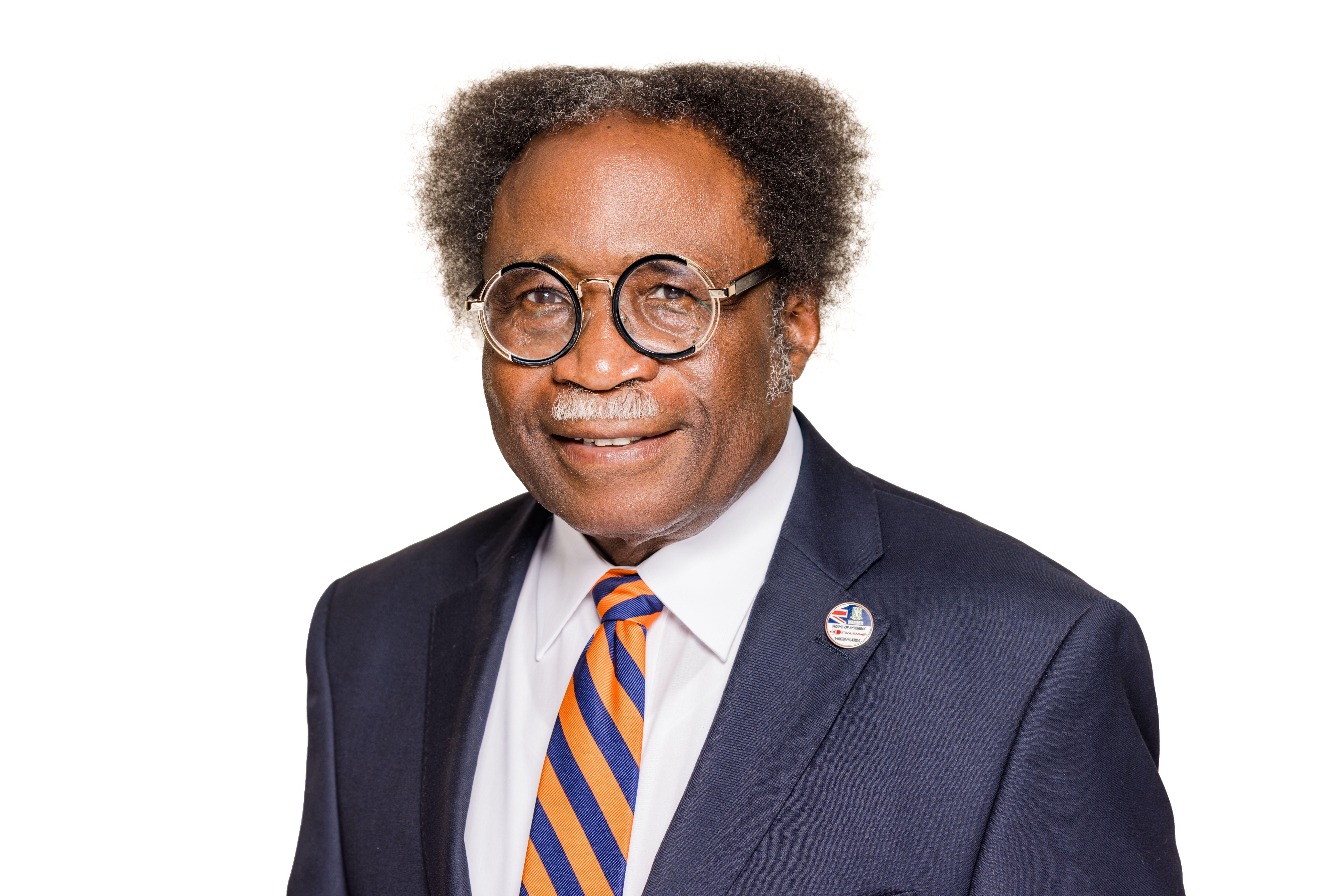
Honorable Fraser says Public Access to The Baths and Devil’s Bay Must Be Protected
Deputy Premier and Minister for Environment Natural Resources and Climate Change, Honourable Julian Fraser, RA, has expressed serious concern regarding the National Parks Trust’s reported decision to restrict public access to The Baths and Devil’s Bay and has called for a careful and sustainable approach to the management of these important national assets.
Honourable Fraser said that he met with the Chairman and Director of the National Parks Trust on Friday, 28 August 2026, to discuss the matter and to better understand the circumstances surrounding the proposed restrictions.
He commended the Chairman and Director for being forthcoming with the public in their recently held meeting on Thursday 27th, and more importantly, that the Chairman had made public his communication with the Minister regarding directives he received.
He said “I want to make it clear that I have no desire to unnecessarily intrude upon the management and operations of the National Parks Trust. The Trust has an important responsibility for the protection and management of our national parks, and that responsibility must be respected. However, where decisions taken by the Trust conflict with the established policy and legislative framework of the Government, it is the responsibility of the Government to intervene and provide direction.”
Minister Fraser stated that, based on his understanding of the current situation, the decision to restrict beach access at The Baths and Devil’s Bay, however limited, is inconsistent with the Government’s policy and legislative framework governing public access to the Territory’s beaches.
He said “These are national treasures of the British Virgin Islands, and they belong to the people of the Territory. Our approach to tourism must never lose sight of the fact that our beaches, even when located in, and are a part of a national park, must remain accessible to our people while also providing an exceptional experience for our visitors.”
A Sustainable Approach Through Carrying Capacity
Honourable Fraser believes that the appropriate way forward is not to create arrangements that unnecessarily exclude one group of users for the benefit of another, but to establish scientifically and objectively how many people The Baths, Devil’s Bay and other heavily visited national parks can accommodate at any given time without diminishing the visitor experience or damaging the natural environment.
Accordingly, Minister Fraser is calling for the National Parks Trust to expect a directive to undertake a comprehensive Carrying Capacity Study for these sites, and others. The study should assess the environmental, physical and operational capacity of the parks and establish appropriate visitor-management measures that will:
· protect the natural and cultural resources of the parks;
· preserve the quality of the visitor experience;
· ensure that local residents and tourists alike can enjoy these national assets;
· identify sustainable daily and hourly visitor thresholds;
· address peak-period congestion and overcrowding;
· consider the impact of cruise tourism alongside other visitors;
· provide an objective basis for visitor scheduling and management; and
· ensure that any restrictions imposed are consistent with Government policy and the applicable legislation.
Minister Fraser says “A Carrying Capacity Study gives us an opportunity to move away from ad hoc decisions and toward a management system based on evidence. We need to know what these parks can sustainably accommodate and then manage visitation accordingly. The objective should be to maintain, and where possible improve, the experience for everyone—whether they are a resident of the Virgin Islands or a visitor coming here from overseas.”
Honourable Fraser emphasised that tourism and public access should not be treated as competing interests. “We can welcome visitors and protect the rights of our people. We can grow tourism while protecting the very resources that attract visitors to our shores in the first place. What we cannot do is allow the pursuit of commercial opportunity to undermine the principles governing public access to our beaches that are associated with our national parks.”
He further noted that the Government has a responsibility to ensure that the Territory’s natural resources are managed in a manner that serves the long-term interests of the people of the Virgin Islands, while recognising the important economic contribution made by tourism.
He said that “The Baths and Devil’s Bay are among the most recognisable and valued natural attractions in the BVI. Their management must therefore be approached with great care, transparency and fairness. The solution must protect the environment, protect the visitor experience and protect access to the beach.”
Minister Fraser said he looks forward to continued dialogue with the National Parks Trust and to working toward a solution that respects the Trust’s operational responsibilities while ensuring that its decisions remain aligned with the broader policy and legislative framework of the Government.
He said “The Government is not seeking to manage the National Parks Trust on a day-to-day basis, but where matters of public policy, public access and the application of legislation are concerned, Government must exercise its responsibility. A properly conducted Carrying Capacity Study will give us the information necessary to make sound decisions for the future.”
The Ministry of Environment, Natural Resources, and Climate Change is the governmental body in the Virgin Islands responsible for the stewardship and sustainable management of the Territory’s environment, natural resources, and response to climate change. The Ministry plays a pivotal role in ensuring that the territory's natural heritage is preserved for future generations while promoting sustainable development.
For more information contact the Ministry of Environment Natural Resources and Climate Change at menrcc@gov.vg or call telephone number at 468-2147/468-2148.
For Additional Information Contact:
Gallery